The hiker’s clothing system
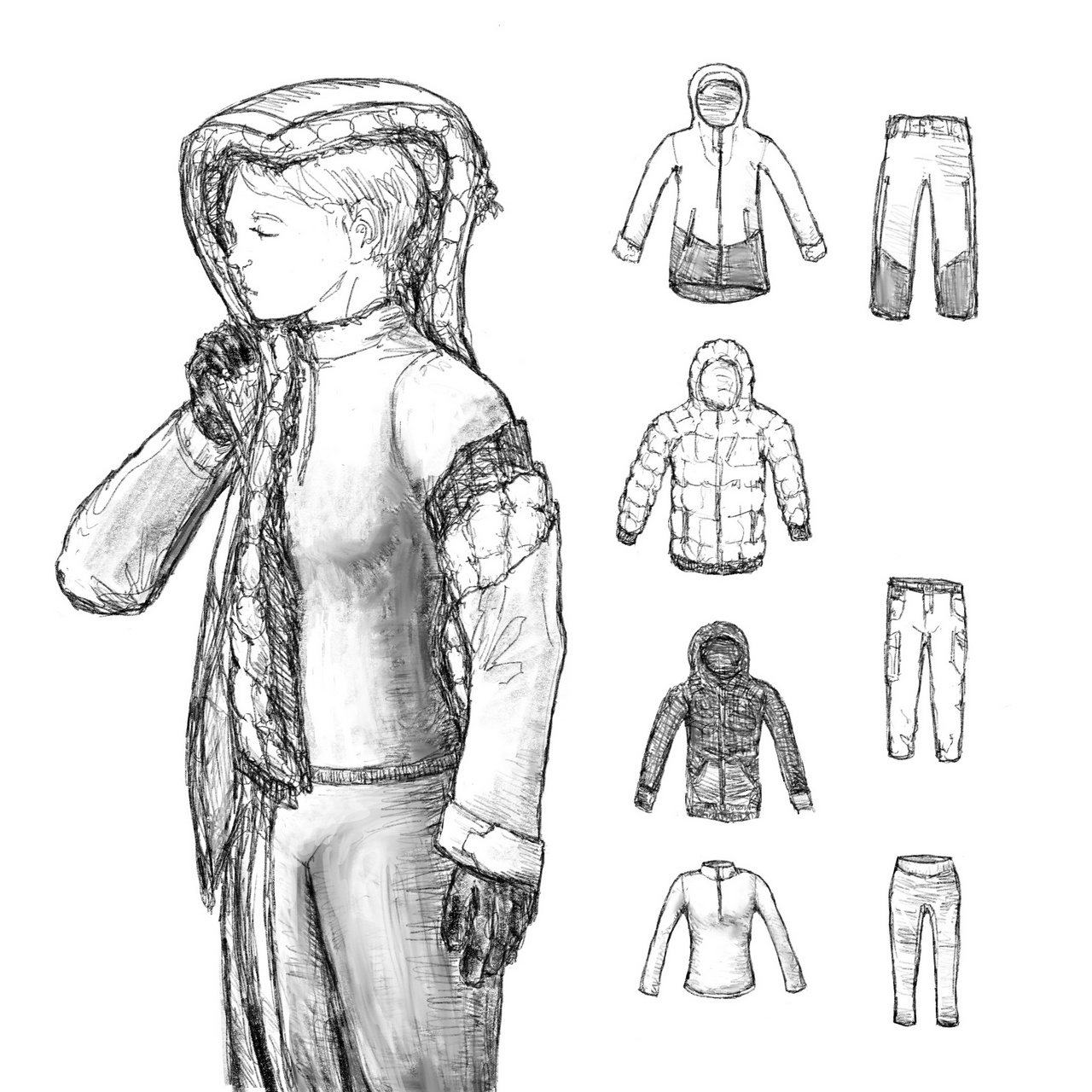
This layering system works best in the temperate zones of North America, South America, Europe, and Northeast Asia, during the peak hiking seasons from late spring to mid fall. Protecting yourself from the elements is about managing temperature and moisture, both from precipitation from the outside and sweating from the inside. This is why we recommend thin layers that can be taken on or off as needed. On a cold morning, start off with few layers, heating up as you exert yourself. When you stop to eat, rest, or make camp, put more layers on as you cool down and your sweat evaporates.
Remember: Cotton kills! Cotton absorbs and retains moisture, making it useful for jungles, but it should never be worn in the mountain or during winters in the backcountry, where hypothermia may be a risk.
- Base layers (“long johns”) and/or underwear: ¼-zip top and leggings, both made of merino wool blend or technical polyester (fleecy fabric, sometimes with a gridded pattern on the body-facing side). You may choose to wear underwear beneath your base layers for comfort, or normal athletic underwear without base layers in warmer temperatures.
- Sun protection clothing: thin, breathable sun hoody or a collared, button-up long-sleeved hiking shirt for the top, and Nylon hiking pants or joggers for your bottoms. On very hot days where you can only tolerate short sleeved or tank tops and shorts, you must wear a sun hat and apply sunscreen to exposed skin. Even if it’s cloudy, you may get sunburned on glaciers and snowpacks (where the Sun is reflected at you from most surfaces), very high elevations, or areas close to the Equator.
- Micro fleece jacket: technical polyester fleece hoody with ¼-zip or full zip opening. Not windproof.
- Insulated puffy jacket: synthetic fill for wetter, warmer days; down fill for dryer, colder days. Usually windproof and coated in durable water repellency or DWR to resist light drizzle and short periods of moderate rain.
- Rain shell: rain jacket with waterproof-breathable membrane. Always windproof. Additionally, bring rain pants for the mountains. In hot climates, a poncho may work better.
Additionally, you should bring:
- Gloves: At least a fleece liner glove, but possibly additional layers if it’s very cold. This may include an insulating mitt and a waterproof shell mitt for the most extreme conditions.
- Insulating hat: A merino wool or fleece beanie, toque, or other kind of insulating hat. However, if most of your other layers have hoods, this is unnecessary. Bonus: you can't lose your hat if it's permanently attached.
- Socks: Merino wool blend only. Ankle, quarter, or crew cut depending on personal preference, type of footwear, and weather. If you’re vulnerable to blisters and/or maceration, consider also wearing a liner sock underneath.
- Footwear will be covered in a separate article.